Skylights Versus Traditional Windows: Which Is the Right Choice for You?
When residents explore ways to increase natural light in their living areas, the choice between skylights and traditional windows often arises. Each option presents unique benefits and challenges. Skylights can flood a room with light from above, while traditional windows offer views and architectural diversity. Understanding the implications of each choice is essential for making an informed decision. Which elements deserve the most attention in this evaluation, and how significantly do they affect overall long-term fulfillment?
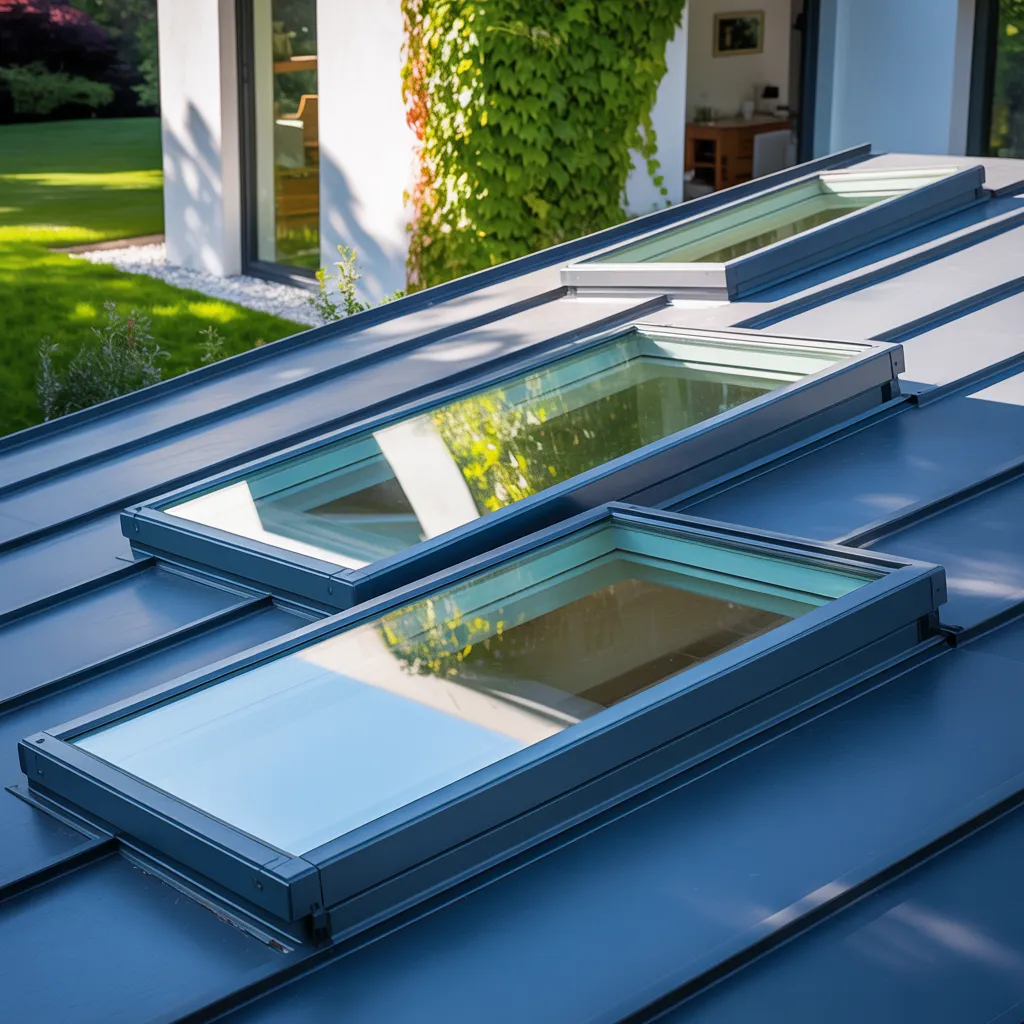
Natural Light Comparison: Skylights vs. Traditional Windows
When exploring how to enhance natural lighting in a room, skylights and conventional windows provide unique benefits. Skylights, installed on the rooftop, provide an unobstructed source of light, bathing rooms in sunlight from overhead. This top-down illumination can create a bright and airy atmosphere, helping areas appear bigger and more appealing. Additionally, skylights can reduce the need for artificial lighting during the day.
In contrast, standard windows permit daylight to stream in through the sides, providing views of the outside surroundings. They can be thoughtfully positioned to optimize sunlight exposure throughout the day, depending on the directional placement of the room. Moreover, standard windows can be designed in various styles to suit architectural preferences, boosting both brightness and aesthetic appeal. At the end of the day, the choice between skylights and traditional windows relies on personal preferences, the arrangement of the space, and the desired ambiance within the space.
Energy Performance: Skylights vs. Traditional Windows?
When assessing energy use, skylights and traditional windows each offer distinct benefits. Skylights can enhance natural light, possibly decreasing dependence on artificial lighting, whereas conventional windows might provide superior heat retention. Examining energy costs uncovers notable differences that may impact homeowners' choices.
The Benefits of Natural Lighting
Natural light is a key factor in boosting energy efficiency, and selecting between skylights and conventional windows significantly affects this advantage. Skylights permit generous daylight to filter deeper into interior environments, reducing reliance on artificial lighting during the day. This may result in reduced electricity costs and a smaller carbon footprint. On the other hand, standard windows largely light up spaces adjacent to the exterior walls, which might reduce the overall distribution of daylight. Moreover, the angle and location of skylights can collect more sunlight during the day, especially in rooms featuring high evaluation ceilings. Overall, integrating natural light through either solution can improve energy efficiency, however skylights commonly deliver a more notable advantage in maximizing natural light exposure across a property or building.
Heat Preservation Comparison
When comparing skylights and traditional windows in terms of heat retention? These two choices feature different attributes that impact their overall energy efficiency. Conventional windows generally provide superior insulation, particularly when double or triple-glazed, helping to reduce heat loss in winter months. Skylights, while allowing natural light, can sometimes lead to increased heat transfer due to their larger surface area and potential for heat gain in summer. Nevertheless, innovations in skylight design, including low-emissivity (low-E) coatings, have significantly enhanced their thermal efficiency. In the end, how well each option retains heat is determined by elements such as installation quality, the type of glazing used, and the prevailing climate. Property owners are encouraged to thoroughly assess these factors to identify which option most effectively satisfies their heat retention requirements.
Analysis of Energy Costs
An energy cost analysis highlights notable distinctions between the efficiency of skylights and conventional windows. Skylights generally permit more natural light to enter, helping to decrease dependence on artificial lighting and reduce electricity costs. That said, the energy efficiency of skylights is primarily determined by the caliber of glazing and installation methods. Premium skylights featuring low-E coatings are capable of reducing heat loss and gain, improving total energy efficiency.
In contrast, traditional windows may also prove to be effective at conserving energy, especially when equipped with double or triple glazing. While they deliver adequate insulation, they may not deliver the same natural lighting advantages as overhead skylights. Ultimately, the selection between the two should take into account elements including climate, geographic location, and targeted energy efficiency objectives to identify the most economically viable approach.
What You Need to Know About Skylights
Why do homeowners find skylights such an attractive option? Skylights offer a creative solution for bringing more natural light into living areas, producing a warm and welcoming ambiance. Coming in numerous designs and sizes, they blend naturally into diverse architectural frameworks. Homeowners frequently recognize the energy efficiency advantages; strategically placed skylights can reduce reliance on artificial lighting during daytime hours.
In addition, skylights can increase ventilation when equipped with operable functions, allowing warm air to exit and supporting airflow. They also deliver unique aesthetic characteristics, serving as focal elements that can improve interior design. However, it is essential for homeowners to evaluate factors such as installation expenses, potential seepage, and the need for adequate maintenance. Recognizing the specific requirements and effects of skylights can allow homeowners reach informed decisions tailored to their living settings.
Notable Strengths and Weaknesses of Traditional Windows
Conventional windows have historically been a cornerstone of home design, offering distinct advantages alongside some notable drawbacks. One key advantage is their ability to deliver natural illumination and airflow, improving interior air quality while minimizing dependence on artificial light sources. They also come in numerous styles and materials, allowing homeowners to customize their appearance to suit personal preferences.
However, traditional windows have their drawbacks. Thermal efficiency can become problematic, particularly with older units that tend to permit drafts and heat loss. Additionally, ongoing maintenance tends to be more intensive, as frames and seals often need consistent attention to avoid deterioration. Classic windows can similarly struggle with managing solar heat gain in comparison to newer solutions, resulting in higher cooling expenses throughout the warmer seasons. Ultimately, the decision to choose traditional windows involves weighing these advantages against their drawbacks based on individual needs and circumstances.
Aesthetic Charm: Skylights vs. Windows
The aesthetic quality of traditional windows and skylights significantly impacts interior decorating choices. Skylights can enhance natural light and establish a feeling of spaciousness, while traditional windows offer versatile design options that complement various architectural styles. Understanding these differences enables homeowners to reach well-informed conclusions based on their aesthetic preferences.
Natural Light Effects
Natural light is a key factor in improving the visual appeal of residential spaces, with skylights and traditional windows offering distinct advantages. Skylights, mounted on the roof, let sunlight stream in from above, generating a feeling of spaciousness and warmth. This top-down lighting can emphasize architectural elements and cause rooms to appear more expansive and welcoming. On the other hand, traditional windows deliver glimpses of the exterior, joining interior rooms with the natural scenery. They have the ability to capture scenic views and create a dynamic interplay of light throughout the day. Whereas skylights are effective at lighting dim spaces, traditional windows can enhance curb appeal and architectural character. In the end, the decision between skylights and traditional windows shapes the general atmosphere and vitality of a home.
Versatile Design Options
Design versatility is a significant factor in the comparison between skylights and standard windows, as both choices add their own unique qualities to a home's overall appearance. Skylights offer a modern touch, seamlessly integrating into ceilings to create an open, airy atmosphere. Their strategic installation can draw attention to architectural details and elevate the design composition. By comparison, standard windows deliver an enduring elegance, available in various styles and materials to complement any architectural design. They are adaptable in both size and form, allowing homeowners to maintain traditional aesthetics while maximizing natural light. Ultimately, selecting between skylights and windows comes down to personal preferences, the desired mood, and the particular architectural character of the home, with each providing unique benefits in terms of aesthetic flexibility.
Financial Planning for Skylights and Traditional Windows
How does one effectively budget for skylights versus traditional windows? When evaluating installation expenses, skylights commonly cost between $1,000 and $3,000, varying by size and features. Additional expenses may include structural modifications and potential roofing repairs. On the other hand, traditional windows generally fall between $300 and $1,500 apiece, affected by materials and energy efficiency ratings.
Homeowners must also account for installation fees, which can vary considerably based on local labor rates. Skylights may require specialized installation, driving up overall expenses. Additionally, long-term energy savings must be incorporated into the budget; skylights can maximize natural light, potentially reducing electricity bills, while high-efficiency windows provide insulation benefits.
At the end of the day, identifying the best option means examining both the initial costs and the expected returns. Considering both design preferences and practical demands will lead to a more informed financial decision when choosing between skylights and conventional windows.

Commonly Asked Questions
How Do Skylights Impact Indoor Temperature in the Summer?
Skylights can significantly raise indoor temperatures during summer by permitting direct sunlight to penetrate, often leading to heat buildup. Correct installation and shading measures are critical to reduce unwanted heat and sustain pleasant indoor environments.
Can Traditional Windows Be Installed in Unusual Shapes?
Standard windows can absolutely be fitted in unconventional shapes, offering unique aesthetic options. Custom designs allow homeowners to enhance architectural features, delivering both practicality and visual charm while guaranteeing correct installation and optimal energy performance.
What Maintenance Do Skylights Require Compared to Windows?
Skylights tend to need more care and attention than standard windows, as they are prone to leaks and debris buildup. Routine cleaning and inspection are necessary, while windows typically require less upkeep, focusing primarily on general cleaning and intermittent sealing.
Are Skylights Prone to Leaks or Water Damage?
Skylights may be vulnerable to leaks and water damage, most notably when installation or maintenance has been inadequate. Regular inspections and proper sealing are essential to minimize risks, ensuring they remain functional and free from moisture-related problems.
What Role Do Local Building Codes Play in Skylight Installation?
Local building codes heavily affect skylight installation by dictating structural specifications, energy efficiency standards, and safety regulations. Adhering to these codes ensures correct installation, reducing risks of leaks and boosting the long-term durability and performance of the skylights.